Slow Cooker and Instant Pot Meals With Serious Protein
By Jenna Ruiz, RDN · 4 min read · Updated July 31, 2026
The economics of the slow cooker
The tough, cheap cuts of meat are tough and cheap because they are full of connective tissue. Long, low, moist cooking converts that collagen into gelatin, which is why a chuck roast at seven dollars a pound becomes better eating than a sirloin at fourteen.
For a high protein kitchen this is the most important arbitrage available. Chicken thighs, pork shoulder, chuck, beef shank, and turkey legs all deliver 25 to 30 grams of protein per cooked serving at half the price of the lean cuts people default to.
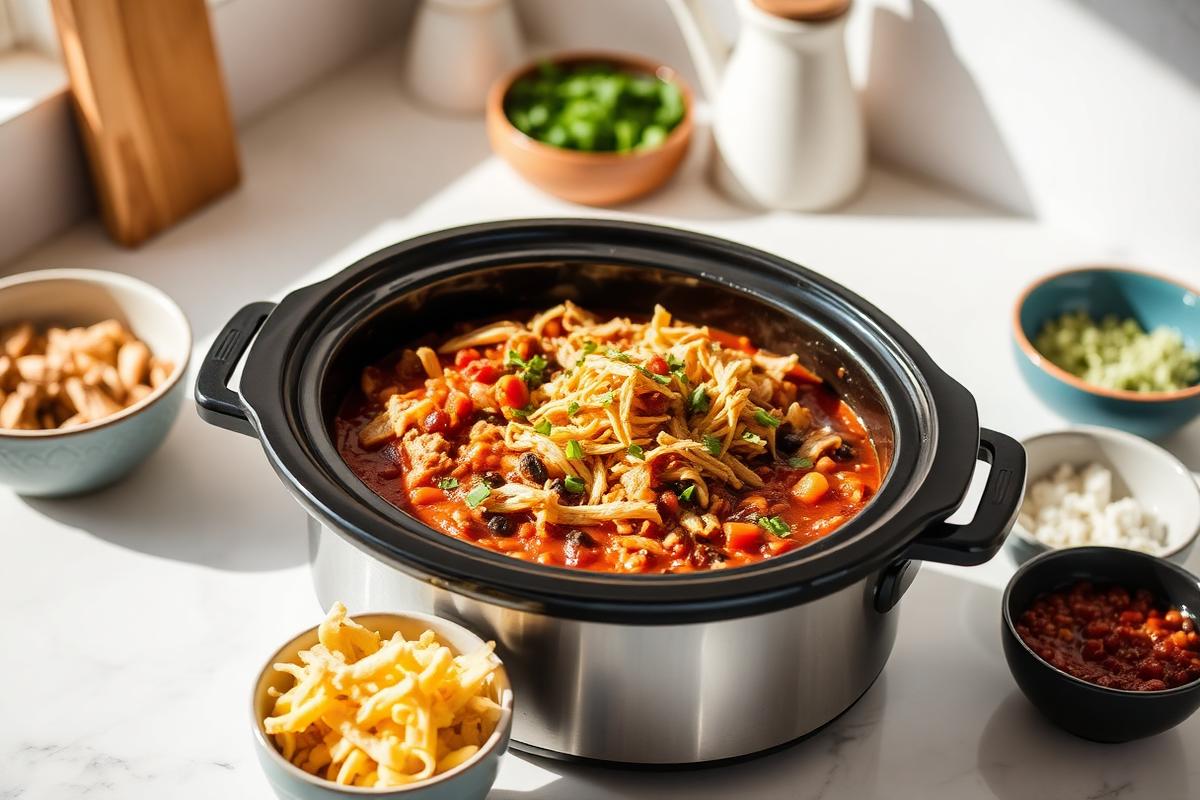
The second benefit is scale. A six-quart slow cooker produces six to eight servings in one operation with about fifteen minutes of active work. That is the entire meal prep problem solved with a device that requires no attention.
Slow cooker times by protein
Low is almost always better than high. The difference between eight hours on low and four on high is not just time; it is texture. Fast cooking squeezes muscle fibers before collagen has finished breaking down.
- Chicken breast — 3 hours low; overcooks easily, prefer thighs
- Chicken thighs, boneless — 5 to 6 hours low
- Whole chicken — 6 hours low
- Pork shoulder, 4 lb — 9 to 10 hours low, shreds cleanly
- Beef chuck, 3 lb — 8 to 9 hours low
- Ground turkey or beef, browned first — 4 hours low
- Turkey breast, bone-in — 6 hours low, to 165°F
- Dried beans, soaked — 6 to 8 hours low
- Beef short ribs — 8 hours low
Pressure cooker equivalents
An Instant Pot does the same chemistry in a fraction of the time by raising the boiling point. The tradeoff is that you lose the ability to walk away for eight hours and gain the ability to decide at 6 p.m.
Pressure cooking is better for beans, grains, and anything you forgot to plan. Slow cooking is better for large cuts you want to shred and for dishes where a long reduction improves the sauce.
- Chicken thighs — 10 min high pressure, natural release 5
- Chicken breast — 8 min, natural release 5
- Pork shoulder, cubed — 45 min, natural release 15
- Beef chuck, cubed — 35 min, natural release 15
- Dried beans, unsoaked — 35 to 45 min, full natural release
- Lentils — 9 min, quick release
- Bone broth — 120 min, natural release
Fifteen meals worth the freezer space
Each of these produces six or more servings above 30 grams of protein, and each freezes and reheats without degrading.
- White chicken chili with cannellini beans — 38g
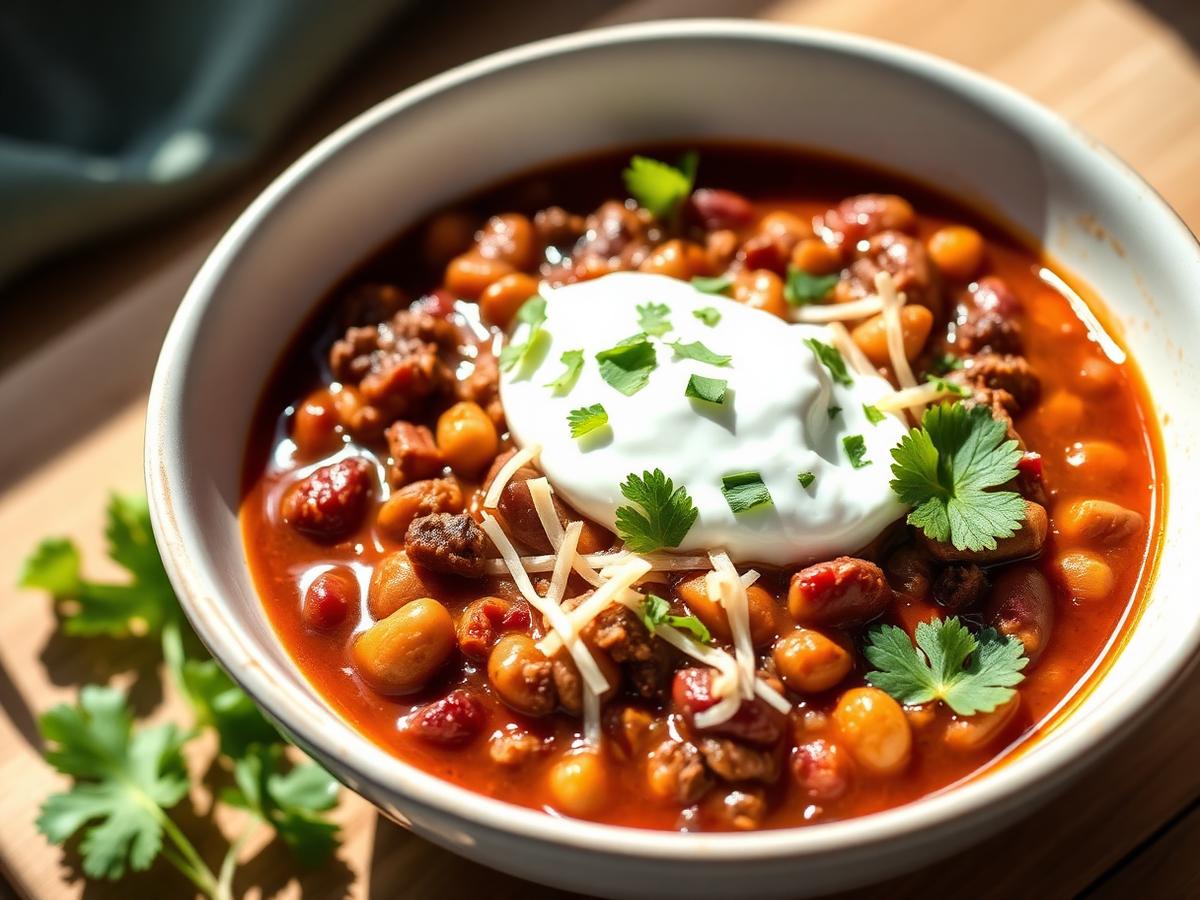
- Classic beef and bean chili — 40g
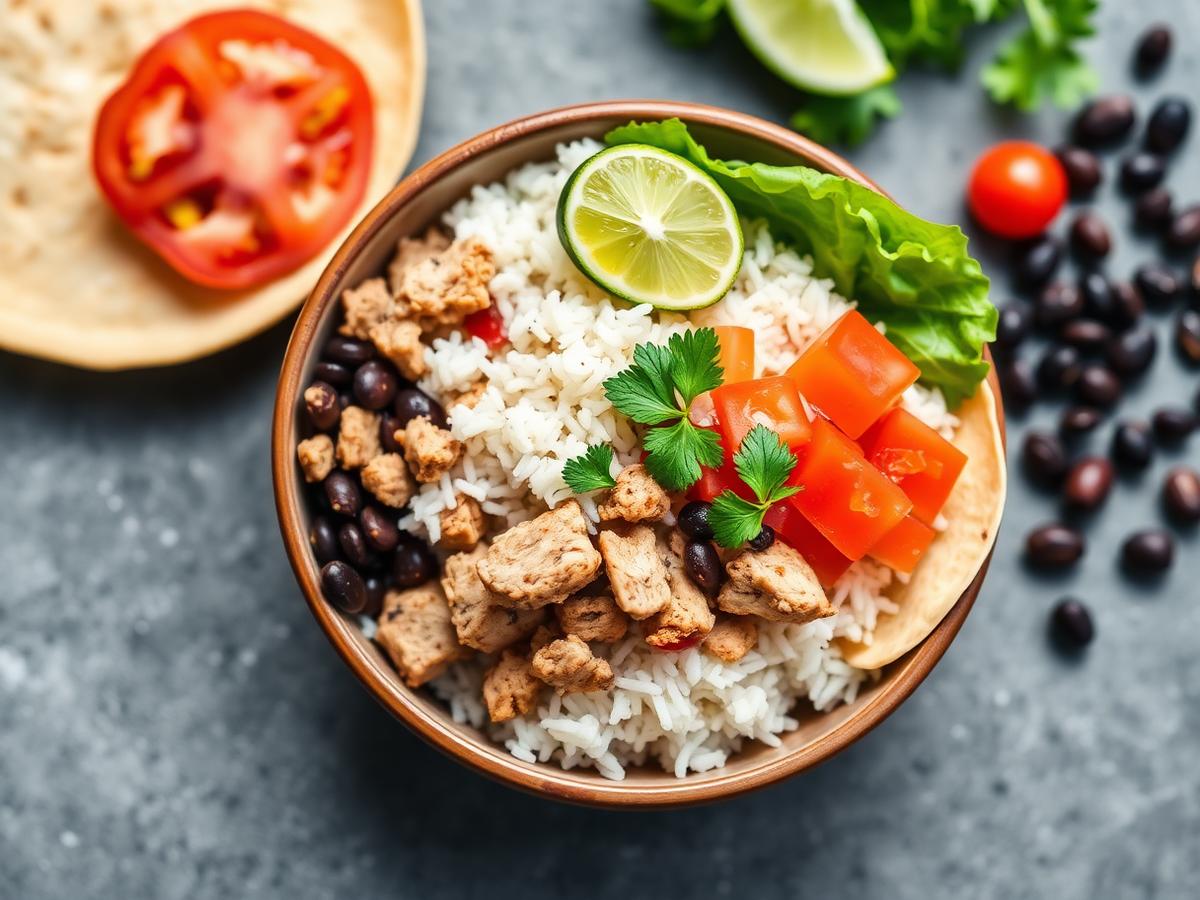
- Salsa verde shredded chicken for tacos and bowls — 36g
- Pulled pork with vinegar slaw — 39g
- Beef barbacoa — 42g
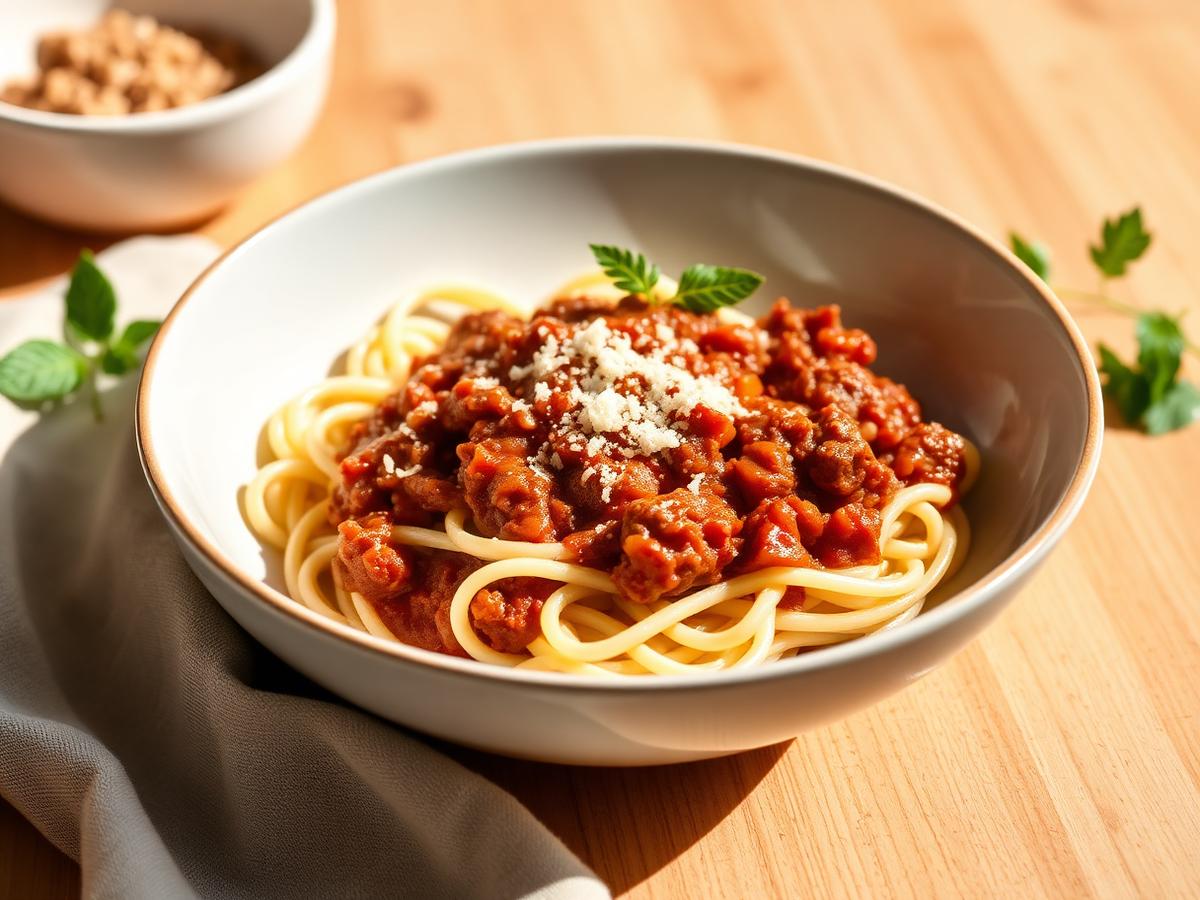
- Turkey and lentil bolognese — 35g
- Chicken tikka masala with Greek yogurt stirred in at the end — 41g
- Moroccan chickpea and chicken tagine — 34g
- Split pea soup with smoked turkey — 30g
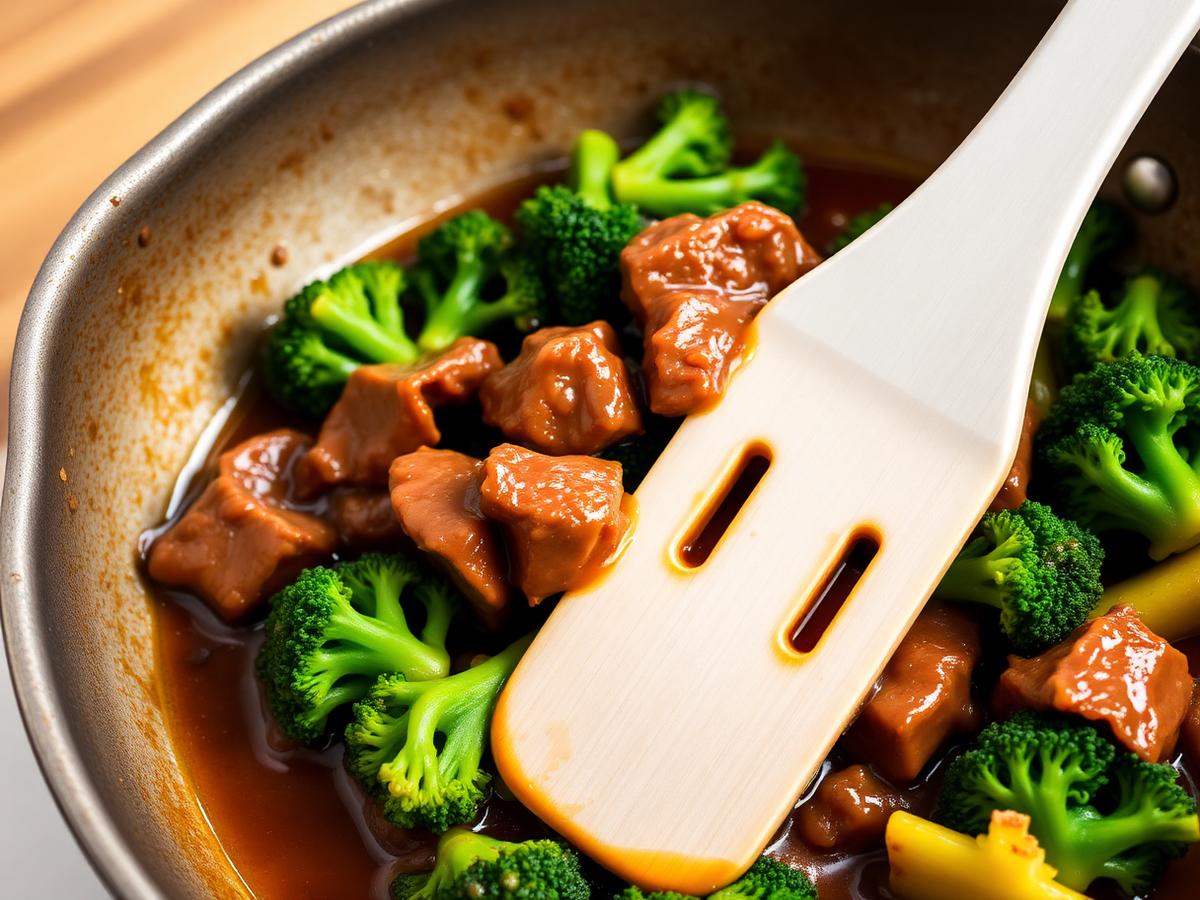
- Korean-style beef bulgogi bowls — 43g
- Chicken and white bean cassoulet — 37g
- Pozole rojo with pork shoulder — 38g
- Butter chicken with cottage cheese blended into the sauce — 44g
- Italian wedding soup with turkey meatballs — 32g
- Cuban ropa vieja over rice — 40g
Getting the flavor right
Slow cookers have one weakness: nothing browns. Every flavor a hot pan would have produced through the Maillard reaction has to be created some other way.
Brown the meat first when you can. Ten minutes in a hot skillet before the meat goes in the pot is the highest-return ten minutes in this entire cooking method. Deglaze the pan and pour that in too.
Use less liquid than you think. Slow cookers lose almost no moisture, and meat releases plenty. A recipe adapted from a Dutch oven usually needs about half the stated liquid, or you end up with a soup you did not order.
Add dairy, fresh herbs, and acid at the end. Yogurt and cream split over long cooks, herbs turn to hay, and the brightness of lemon or vinegar cooks off entirely. Ten minutes before serving is the right moment for all three.
Season twice. Salt at the beginning for the meat and again at the end for the dish. Long cooking flattens seasoning in a way that surprises people the first time.
Batching, freezing, and cost
Cook a double batch and freeze half in single portions. Flat freezer bags stack, thaw fast, and take up a quarter of the space of containers. Label with the date and the dish; you will not remember which brown stew is which in six weeks.
Most of these meals land between two and three dollars per serving at current US grocery prices, with the beans-and-pork versions at the low end and the beef ones at the top. A six-serving batch of chili costs less than one delivered lunch.
Reheat gently. Braised meat reheats best in a covered pan with a splash of water over low heat, or in the microwave at seventy percent power. Full-power microwaving toughens the protein and separates the sauce.
One safety note: a slow cooker should be filled between half and three quarters full, and frozen meat should be thawed before it goes in. Both rules exist to keep the contents out of the temperature range where bacteria multiply.
Frequently asked questions
Sources & further reading
About the author
Jenna Ruiz, RDN — Jenna is a California-based registered dietitian nutritionist and recipe developer. She spent eight years in clinical nutrition before founding Protein Plate Co. to make high protein cooking practical for people with real schedules.