How to Eat for Muscle: A Practical Protein Guide
By Jenna Ruiz, RDN · 4 min read · Updated July 30, 2026
Training is the signal, protein is the material
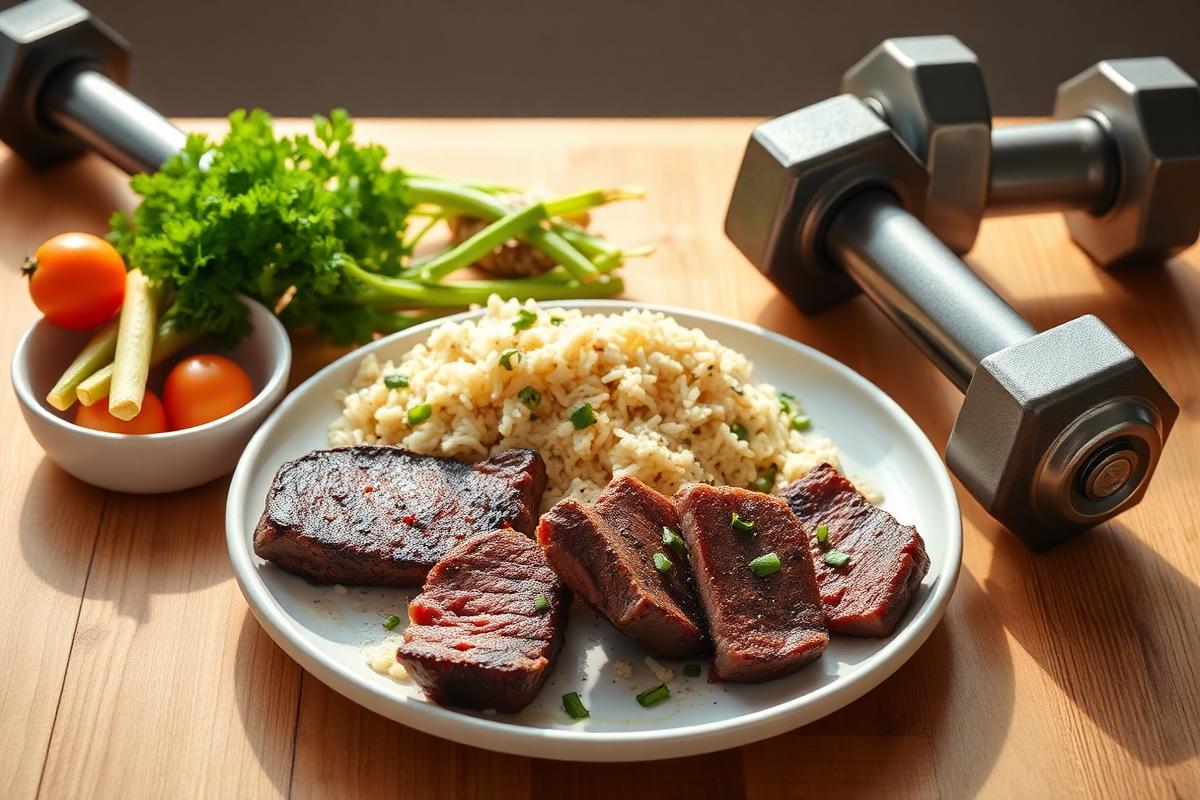
It helps to separate two jobs. Resistance training is the signal that tells your body to build. Protein supplies the raw material. Neither works alone: you can eat 200 grams of protein a day and build nothing without a training stimulus, and you can train hard on a low protein intake and recover badly.
Muscle protein synthesis rises after a training session and stays elevated for roughly 24 to 48 hours in trained people. During that window, protein intake has a measurably larger effect than it does on a rest day. That is the whole logic behind spreading protein through the day rather than eating one enormous evening meal.
The practical implication is unglamorous. Train consistently, eat enough total protein, eat enough total calories, and sleep. Everything else — timing tweaks, supplement stacks, exotic amino acid ratios — is a rounding error by comparison.
How much protein you actually need
The RDA of 0.8 grams per kilogram of body weight is a minimum designed to prevent deficiency, not an optimum for someone lifting weights. Most research on resistance-trained people supports something in the range of 1.6 to 2.2 grams per kilogram of body weight per day, which is roughly 0.7 to 1.0 grams per pound.
For a 175 pound person that is about 125 to 175 grams a day. Going meaningfully above that range has not been shown to produce more muscle, though it is not harmful in healthy people and can help with fullness during a calorie deficit.
Two situations justify the higher end of the range. The first is dieting: when calories are low, higher protein protects lean mass. The second is being older, because the muscle-building response to a given dose of protein blunts with age.
- Maintaining muscle, moderate training: 1.6 g/kg (0.7 g/lb)
- Building muscle in a small surplus: 1.8 g/kg (0.8 g/lb)
- Dieting while training hard: 2.0 to 2.2 g/kg (0.9 to 1.0 g/lb)
- Over 60 years old: at least 1.6 g/kg, spread across at least three meals
Distribution matters more than timing
A single meal appears to maximally stimulate muscle protein synthesis somewhere around 0.4 grams of protein per kilogram of body weight — roughly 30 to 45 grams for most adults. Larger doses are still used by the body, but the additional synthesis response flattens.
That means four meals of 40 grams beats one meal of 160 grams for muscle purposes, even though the daily total is identical. Three to five protein feedings a day, each with 30 to 45 grams, is the pattern the evidence supports and the pattern that also happens to be easy to live with.
The often-repeated anabolic window — the idea that you must eat within thirty minutes of training — has not held up well. What matters is that you got a solid protein feeding within a few hours on either side of the session. If you trained fasted, eating soon afterward is genuinely useful. If you had a 40 gram lunch two hours before the gym, there is no emergency.
Protein quality and plant-based lifting
Protein quality comes down to two things: the amount of the amino acid leucine, which acts as the trigger for muscle protein synthesis, and how well the protein is digested.
Animal sources — dairy, eggs, meat, and fish — are leucine-dense and highly digestible, which is why 30 grams of chicken protein does the job comfortably. Most single plant sources are lower in leucine, so plant-based lifters do well to eat slightly larger doses, around 40 grams, and to combine sources across the day.
Soy, in the form of tofu, tempeh, edamame, and soy milk, is the closest plant analogue to animal protein and is genuinely excellent for this purpose. Pea protein isolate is the strongest powder option. Lentils, beans, seitan, and high-protein pastas fill the rest of the plate.
- Leucine-rich anchors: whey, dairy, eggs, chicken, beef, fish, soy
- Strong plant combinations: tofu plus rice, lentils plus wheat, beans plus corn
- Plant-based lifters: target the upper end, about 1.8 to 2.2 g/kg
Calories still decide the outcome
Protein is necessary but not sufficient. Building muscle at a meaningful rate requires a small calorie surplus, usually 200 to 300 calories above maintenance for someone past the beginner stage. Larger surpluses add fat faster than they add muscle.
Beginners, people returning after a layoff, and people carrying more body fat can gain muscle while losing fat. That window closes as training age increases, at which point you have to pick a direction and be patient in it.
Carbohydrates deserve more credit than they usually get here. They fuel hard sessions, replenish glycogen, and spare protein from being burned for energy. A high protein diet is not automatically a low carbohydrate one, and for most lifters it should not be.
A simple daily template
Here is a structure that hits 150 grams without any tracking apps, sized for a roughly 175 pound person.
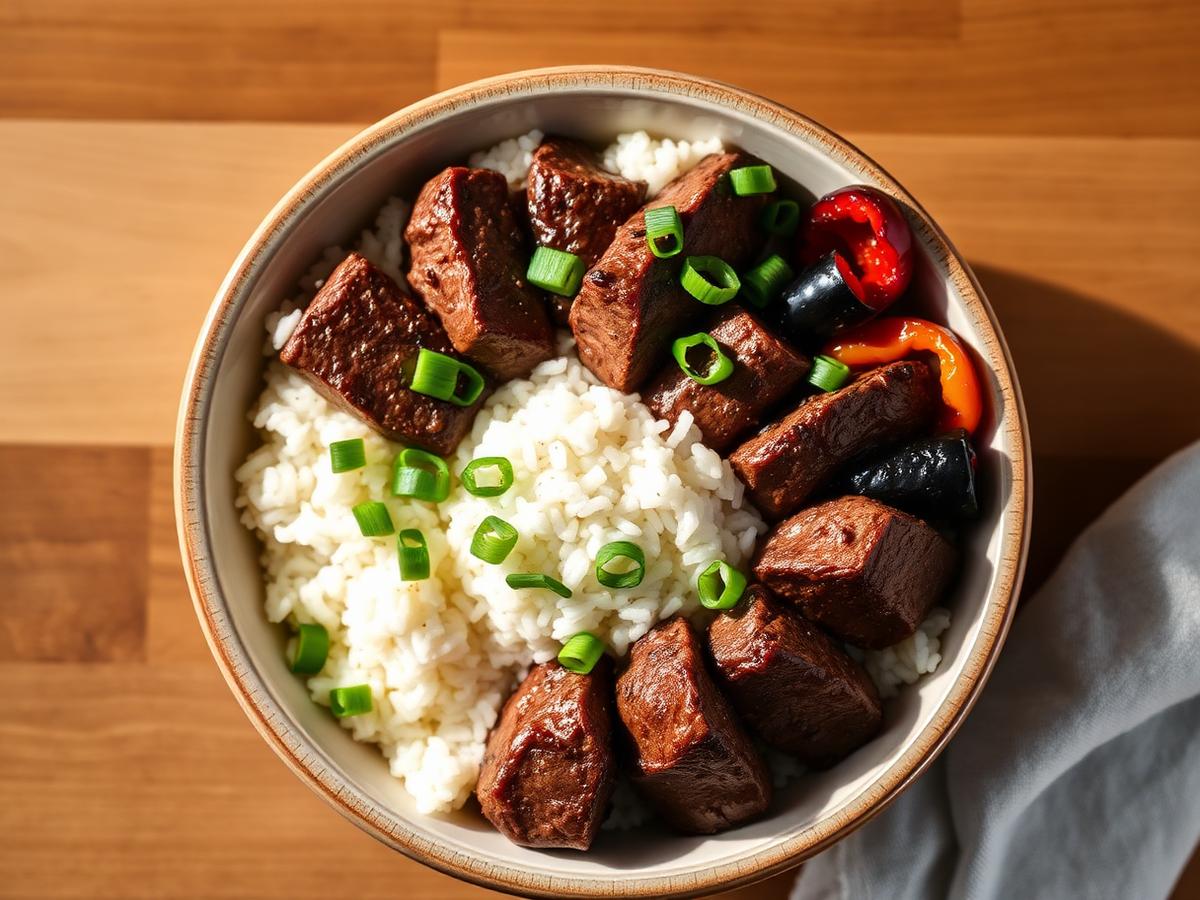
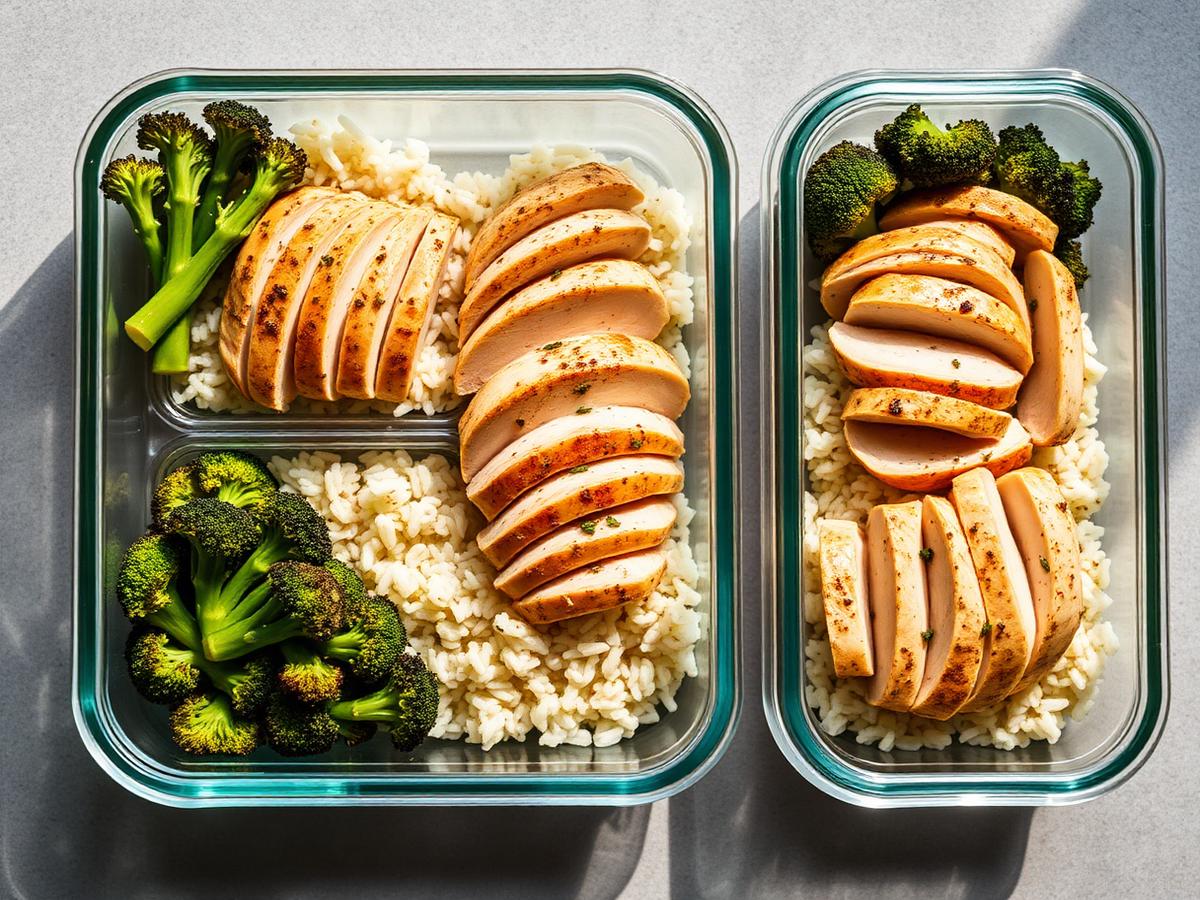
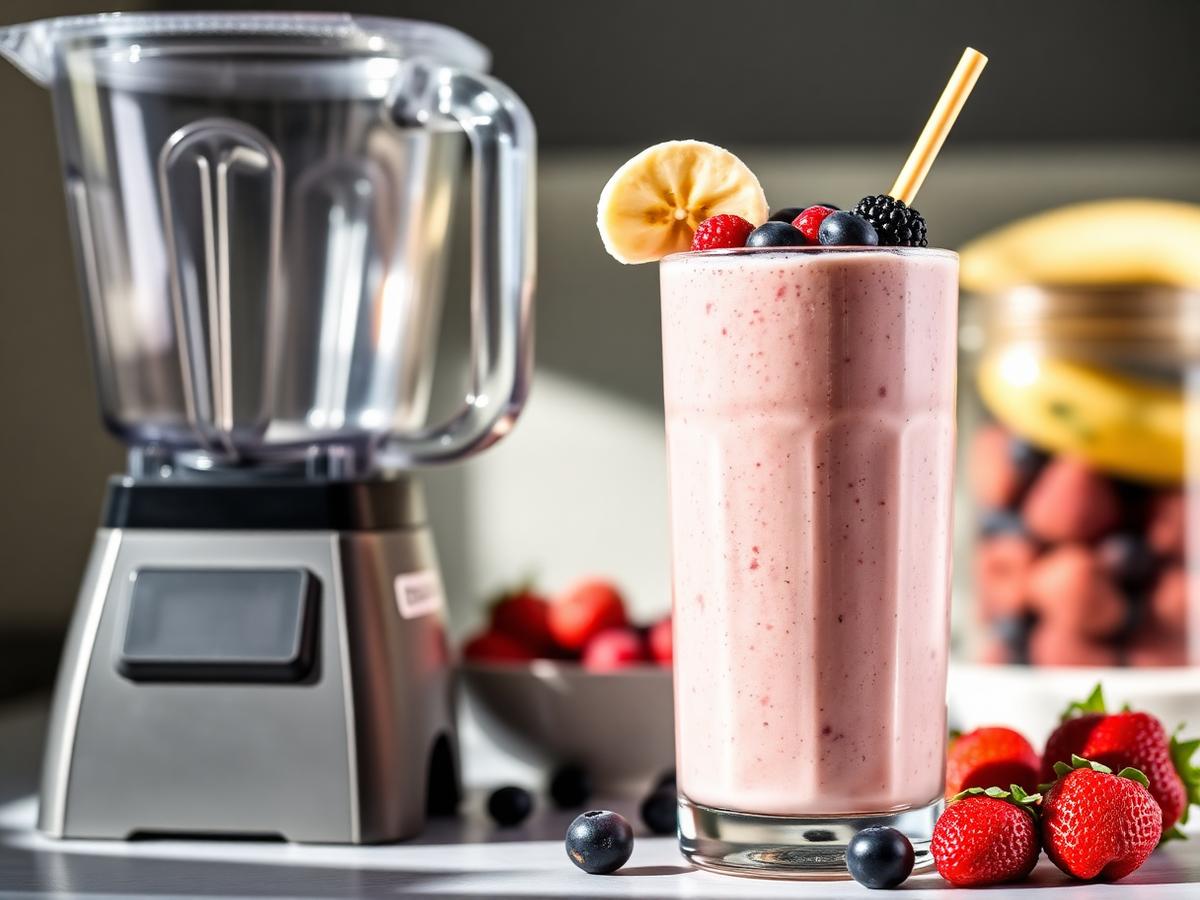
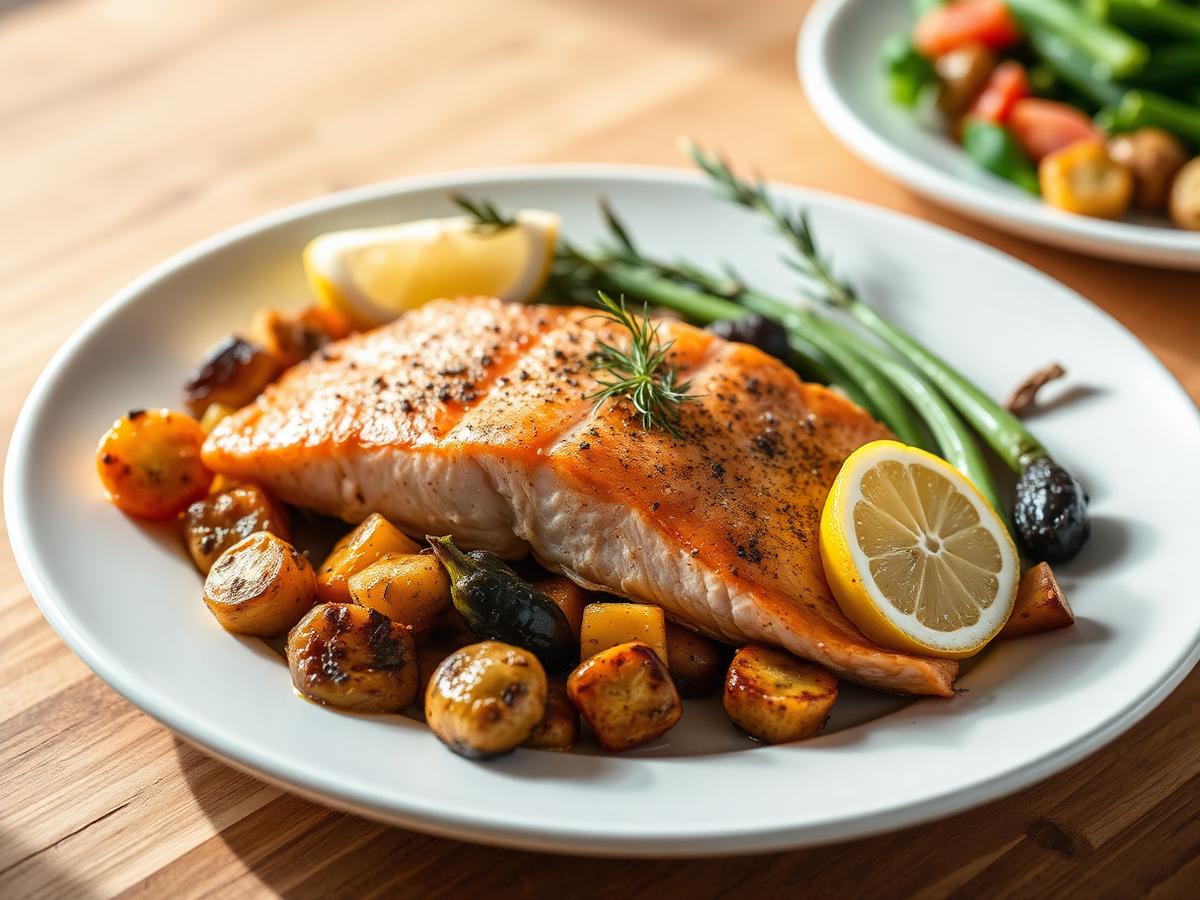
Breakfast: three eggs plus a cup of Greek yogurt, or a protein smoothie, for 35 to 40 grams. Lunch: a chicken or beef bowl with rice and vegetables, 40 grams. Afternoon: cottage cheese, a shake, or jerky and a piece of fruit, 25 grams. Dinner: salmon, steak, or turkey with a starch and a salad, 45 grams.
Adjust portions rather than adding meals. If you are 130 pounds, the same four-slot structure with smaller servings gets you to 110 grams. If you are 220 pounds and training six days a week, add a fifth feeding rather than making dinner enormous.
Track for two weeks to calibrate your eye, then stop. The goal is a pattern you can run indefinitely without a spreadsheet.
Frequently asked questions
Sources & further reading
About the author
Jenna Ruiz, RDN — Jenna is a California-based registered dietitian nutritionist and recipe developer. She spent eight years in clinical nutrition before founding Protein Plate Co. to make high protein cooking practical for people with real schedules.