How to Choose a Protein Powder Without Wasting Money
By Jenna Ruiz, RDN · 4 min read · Updated July 25, 2026
First: do you need one?
Protein powder is a food, not a supplement in the pharmaceutical sense. It is dried protein, usually from milk or peas, and its only real advantage is density. You get 25 grams of protein for 110 calories with no cooking and no dishes.
That advantage matters in three situations: you are struggling to hit a daily target from food alone, you need protein at a moment when cooking is impossible, or you are dieting and need protein at a low calorie cost. If none of those apply, you can skip the aisle entirely.
It is worth being clear about what powder does not do. It does not build muscle better than chicken. It does not accelerate fat loss. It is a convenient ingredient, and the marketing that suggests otherwise is why the category is so noisy.
Whey, casein, and plant: the actual differences
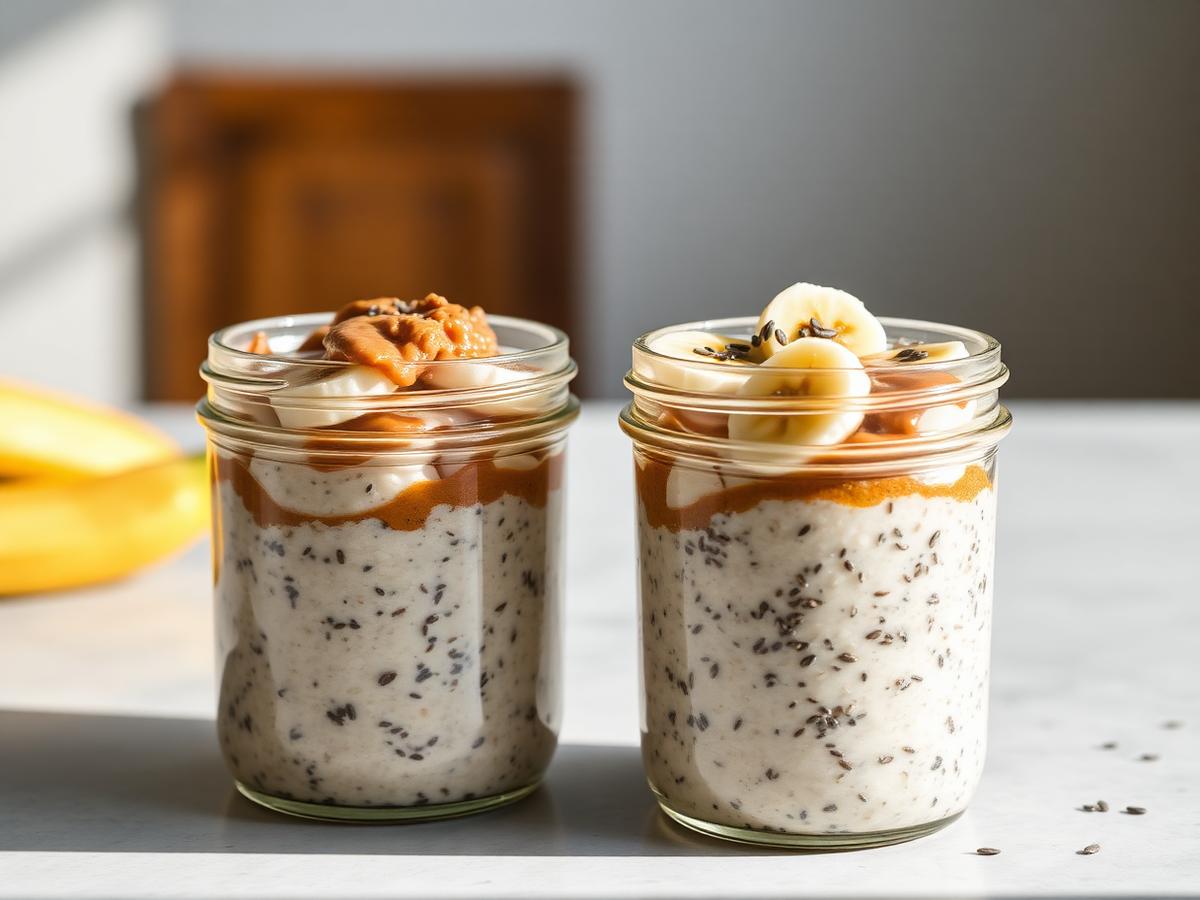
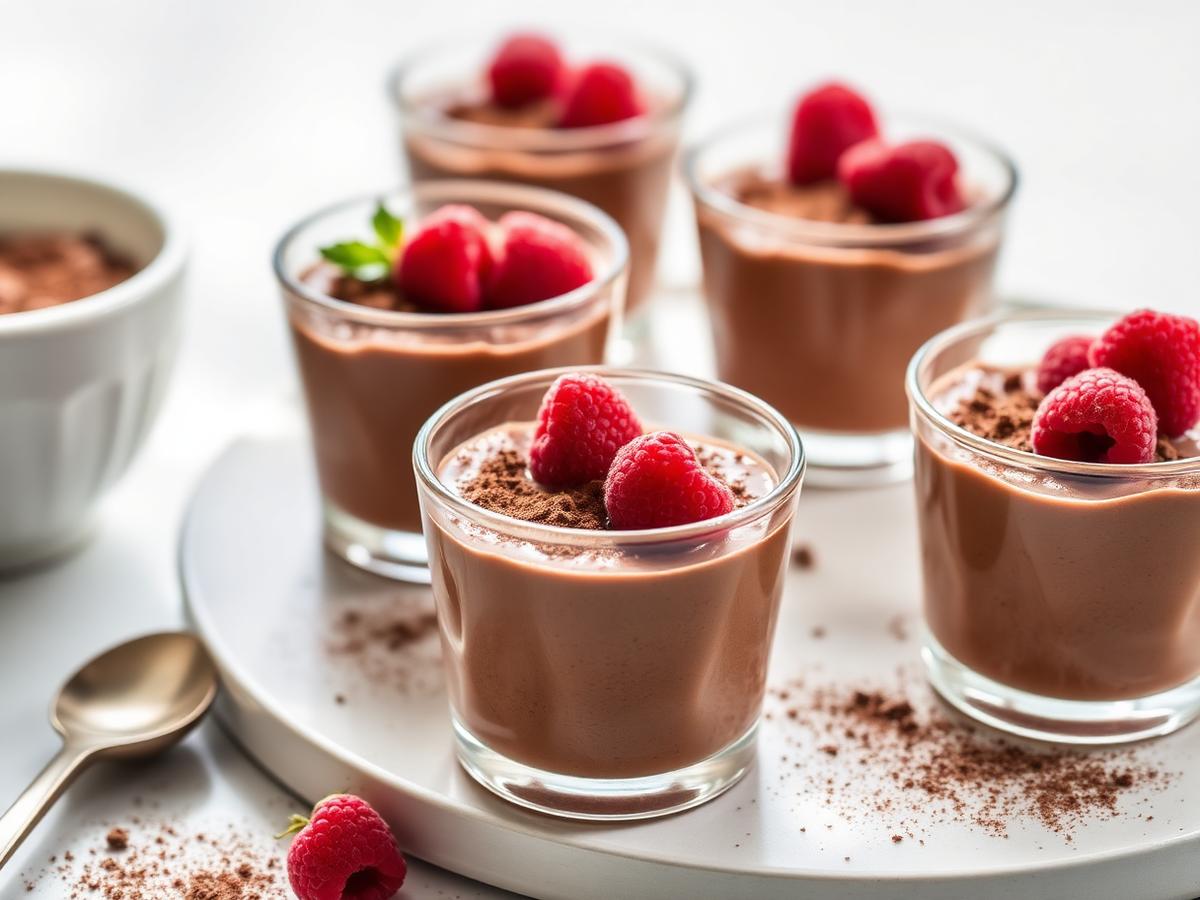
Whey and casein are the two proteins in milk. Whey digests quickly and is the most leucine-dense protein widely available, which makes it the default choice for post-training use and for baking into things. Casein digests slowly and forms a gel, which makes it excellent in puddings, overnight oats, and anything you want thick.
Whey comes in three grades. Concentrate is roughly 70 to 80 percent protein, cheapest, and contains some lactose. Isolate is 90 percent or more protein, lower in lactose, and better tolerated. Hydrolysate is pre-digested, expensive, and unnecessary for almost everyone.
Plant powders are usually pea, rice, soy, or a blend. Pea protein is the strongest single option on amino acid profile; pea and rice blends are common because rice covers pea's weaker methionine content. Soy isolate is genuinely comparable to whey but appears less often in the US market.
- Fast digesting, best all-rounder: whey isolate
- Budget option, if you tolerate lactose: whey concentrate
- Thick textures and overnight recipes: casein
- Dairy-free: pea, or a pea and rice blend
- Cooking into hot dishes: casein or soy hold up better than whey
How to read the label in thirty seconds
Turn the tub around and do this arithmetic. Divide grams of protein per serving by the serving size in grams. Above 70 percent is good. Below 60 percent means you are buying a lot of filler, sugar, or maltodextrin at protein prices.
Then check the serving size against the scoop. Some brands quote a two-scoop serving in the headline number, which quietly doubles the price per serving relative to what you assumed.
Finally, look at the ingredient list length. A good powder has a short one: protein source, cocoa or natural flavor, a sweetener, maybe salt and an enzyme blend. Long lists usually indicate a formula competing on marketing claims rather than protein.
- Protein percentage by weight: aim above 70%
- Price per 25g of protein, not price per tub
- Added sugar: ideally under 3g per serving
- Amino spiking red flag: added glycine, taurine, or free-form aminos high in the ingredient list
Third-party testing and heavy metals
Supplements in the United States are not approved by the FDA before sale. Manufacturers are responsible for their own safety and labeling claims, and enforcement is largely after the fact. That makes independent verification genuinely useful rather than a marketing nicety.
Look for NSF Certified for Sport or Informed Sport on the label. Both involve batch testing for banned substances and label accuracy. USP verification is another strong signal.
Heavy metal content has been a recurring story in this category, particularly with plant proteins, because plants take up trace metals from soil. Levels found in most testing are low, but if you drink two shakes a day every day, choosing a third-party tested brand is a reasonable precaution.
What to ignore
Added BCAAs. If you are consuming a complete protein, you already have them, and isolated BCAAs have not shown additional benefit alongside adequate protein.
Proprietary blends that hide individual quantities. If a brand will not tell you how much of each ingredient you are getting, assume the answer is not flattering.
Mass gainers, unless you have deliberately decided you need 1,200 liquid calories. Most are protein powder mixed with maltodextrin at a substantial markup.
Claims about absorption speed as a selling point. Outside of narrow athletic contexts, the difference between a protein that absorbs in one hour and one that takes three is not something you will ever notice.
Using it well once you have chosen
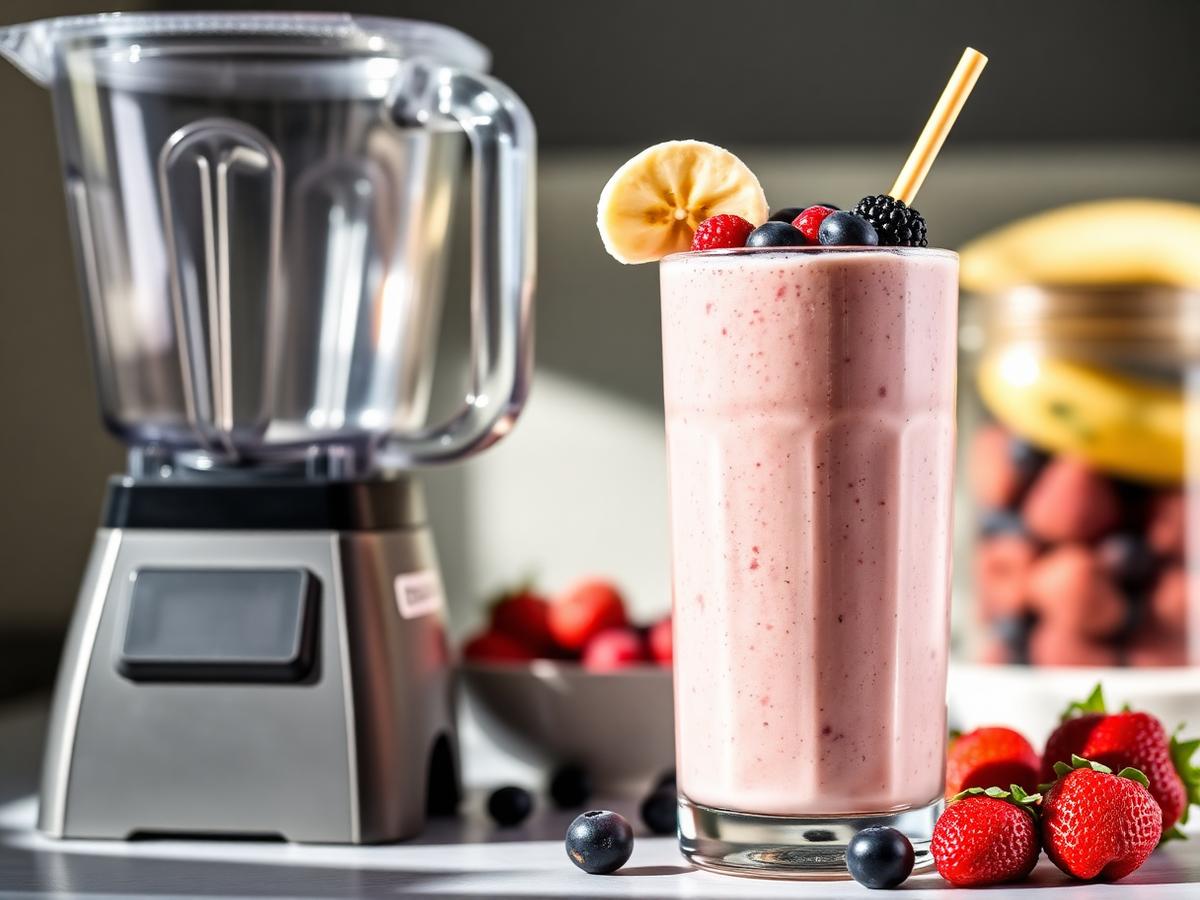
The most useful habit is treating powder as an ingredient rather than a drink. Stir it into overnight oats, blend it into a cottage cheese mousse, whisk it into pancake batter, or fold it into Greek yogurt with cocoa. The protein arrives without the psychological experience of drinking a supplement.
If you do drink it, temperature and dilution matter more than brand. Twelve ounces of very cold liquid, blended rather than shaken, is the difference between a pleasant drink and something chalky.
One scoop a day is plenty for most people. Powder should be filling a gap in an otherwise food-based diet, not replacing meals.
Frequently asked questions
Sources & further reading
About the author
Jenna Ruiz, RDN — Jenna is a California-based registered dietitian nutritionist and recipe developer. She spent eight years in clinical nutrition before founding Protein Plate Co. to make high protein cooking practical for people with real schedules.