The High Protein Smoothie Formula: 40 Grams Without the Chalk
By Jenna Ruiz, RDN · 4 min read · Updated July 18, 2026
The five-part formula
Every good smoothie is the same five things in the same proportions. Once you internalize the ratio, you never need a recipe again.
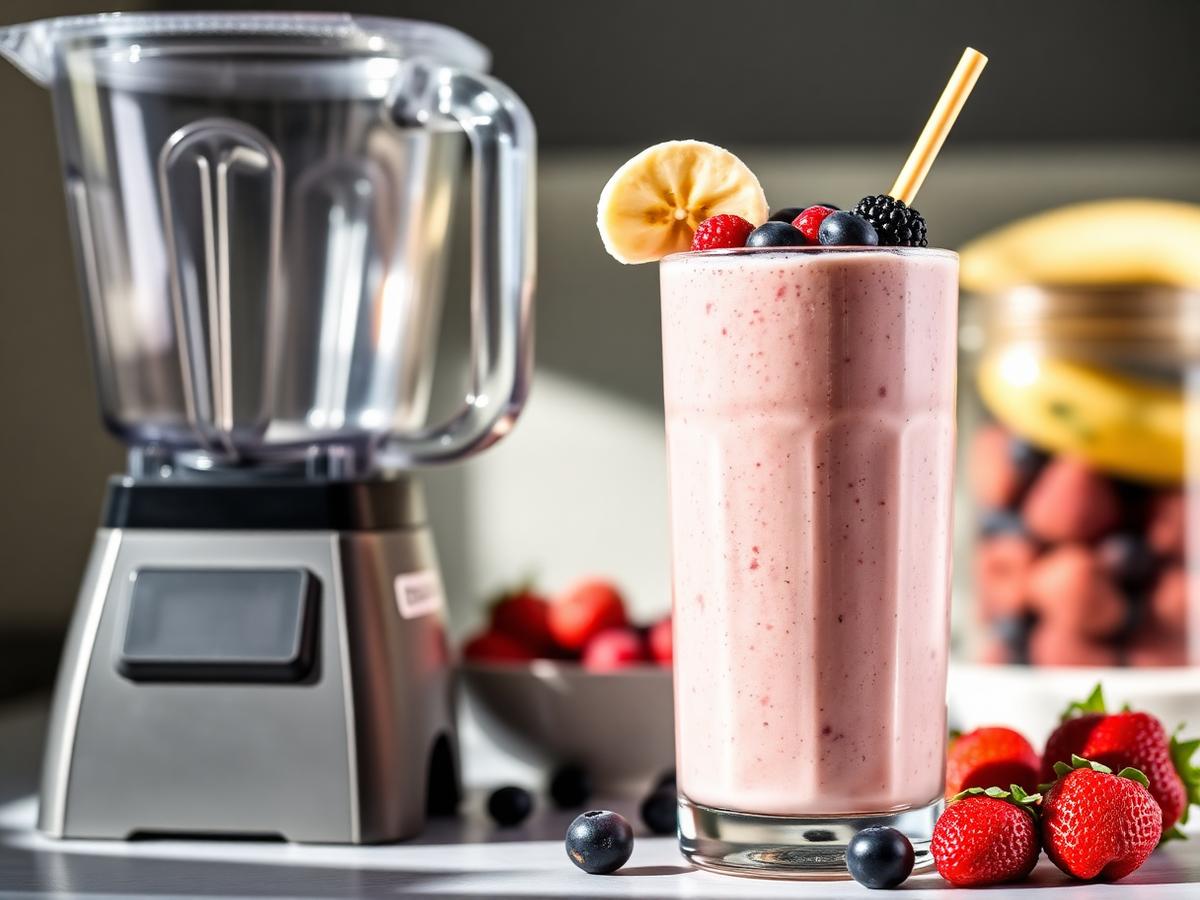
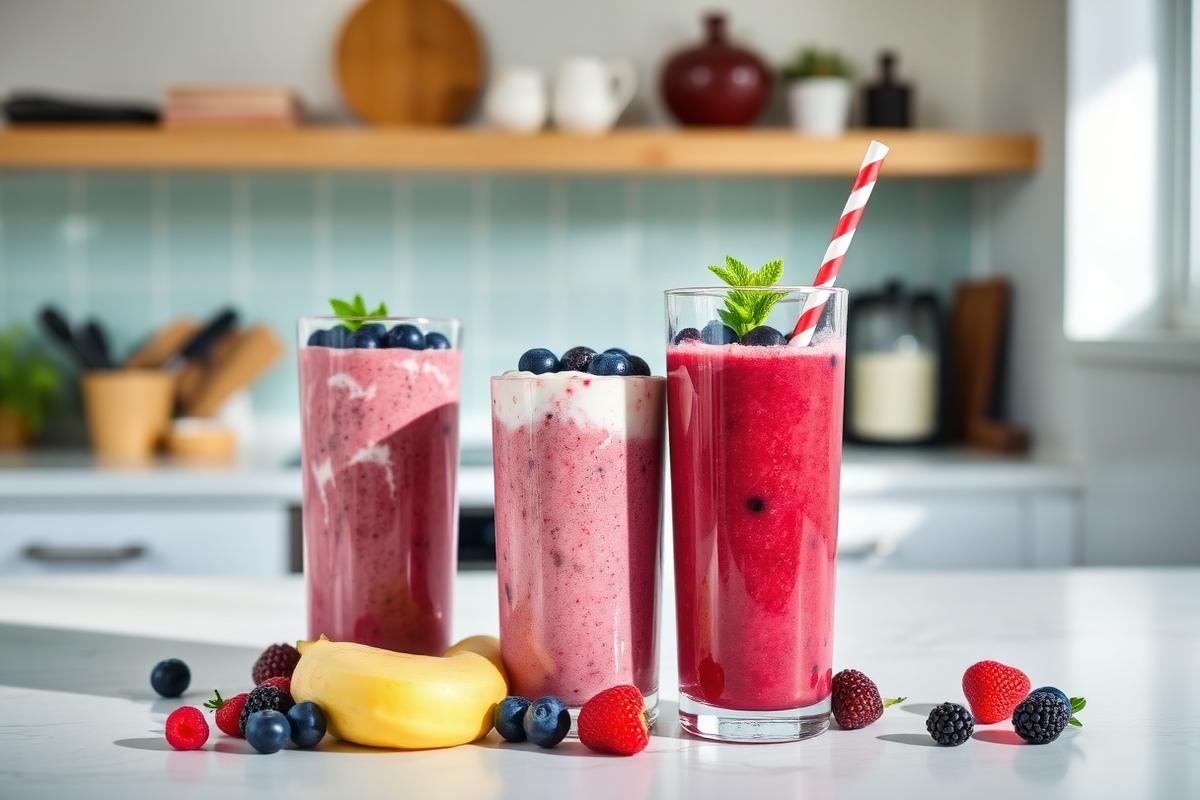
One liquid, one protein, one thickener, one flavor, one finisher. Twelve ounces of liquid, 30 to 40 grams of protein, something frozen or creamy for body, fruit or cocoa for flavor, and a small addition of fat or fiber to slow digestion.
The most common mistake is skipping the thickener. Protein powder in liquid is thin and separates, which is where the chalky texture reputation comes from. Frozen banana, frozen cauliflower, avocado, or half a cup of ice-cold cottage cheese all fix it.
- Liquid: dairy milk, soy milk, unsweetened almond, or cold brew — 12 oz
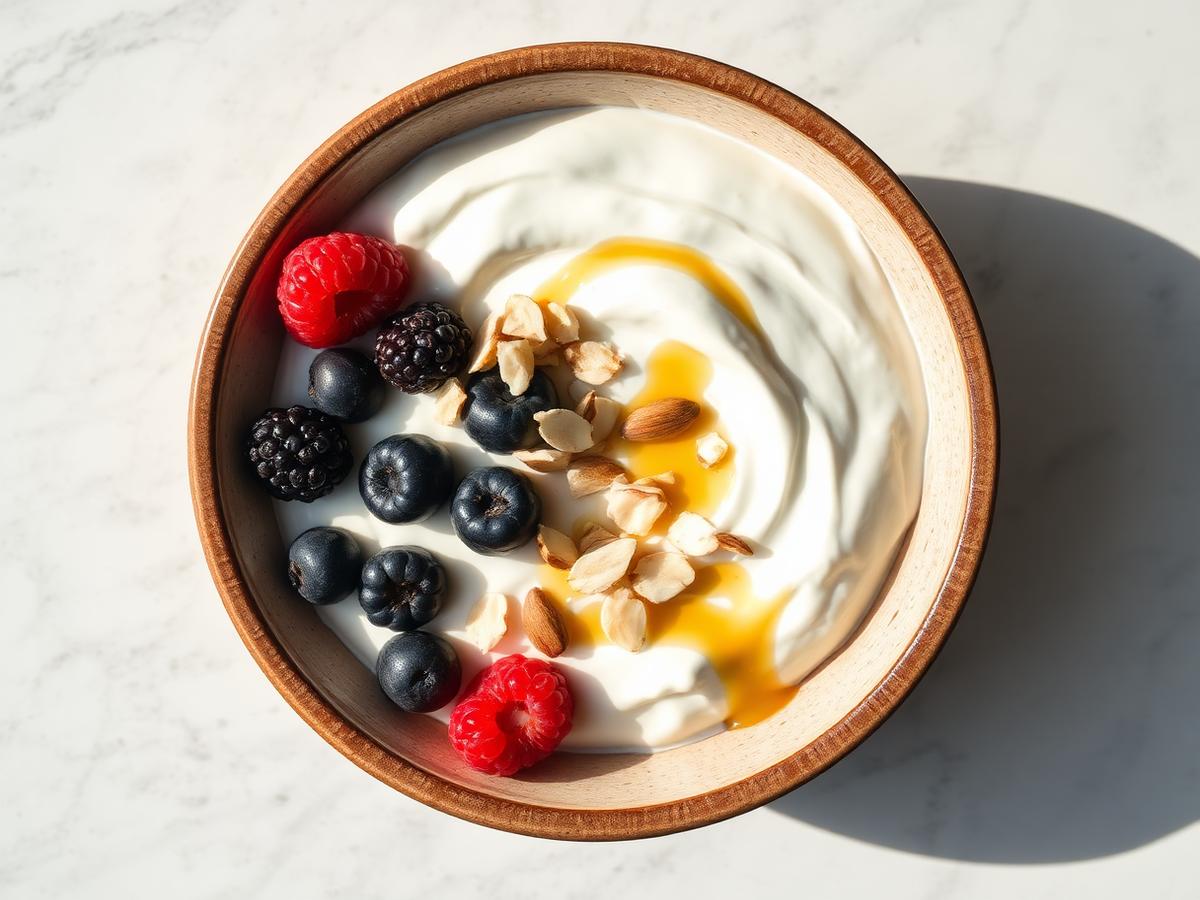
- Protein: 1 scoop powder, 1 cup Greek yogurt, or 1 cup cottage cheese
- Thickener: frozen banana, frozen cauliflower rice, avocado, or oats
- Flavor: frozen berries, mango, cocoa, espresso, peanut butter, vanilla
- Finisher: chia, flax, hemp hearts, or a pinch of salt
Hitting 40 grams without three scoops of powder
Stacking protein sources beats stacking powder. Powder alone above one scoop starts to taste like powder, no matter how good the brand.
Dairy milk brings 8 grams per cup. Soy milk brings 7. Greek yogurt brings 23 per cup, cottage cheese 25. A scoop of powder brings 25. Combine any two of these and you are past 40 without any of them dominating the flavor.
Cottage cheese is the surprise ingredient here. Blended at high speed it disappears completely, adds no discernible flavor, and produces the closest thing to a milkshake texture you will get from a health drink.
Ten combinations worth making twice
Each of these uses the formula above and lands between 32 and 45 grams of protein.
- Chocolate peanut butter: milk, chocolate whey, frozen banana, PB powder — 42g
- Strawberry cheesecake: milk, cottage cheese, vanilla whey, frozen strawberries — 45g
- Mocha: cold brew, milk, chocolate whey, frozen banana, pinch of salt — 38g
- Green machine: soy milk, vanilla whey, spinach, frozen mango, hemp hearts — 36g
- Blueberry oat: milk, Greek yogurt, frozen blueberries, rolled oats, cinnamon — 34g
- Tropical: coconut water, vanilla protein, frozen pineapple, Greek yogurt, lime — 33g
- Cherry almond: almond milk, vanilla whey, frozen cherries, almond butter — 35g
- Pumpkin pie: milk, vanilla protein, pumpkin puree, frozen banana, pumpkin spice — 37g
- Salted caramel coffee: cold brew, casein, frozen banana, date, flaky salt — 32g
- Berry cauliflower: almond milk, whey, frozen cauliflower, mixed berries, chia — 34g
Texture troubleshooting
If it is thin, you used fresh fruit instead of frozen. Ice waters a smoothie down as it melts; frozen fruit thickens it as it blends. Freeze bananas in chunks once they spot, and keep a bag of frozen cauliflower rice for thickness without sweetness.
If it is gritty, the powder is the problem. Blend the liquid and powder alone for ten seconds first, then add everything else. Isolate dissolves better than concentrate, and plant proteins are grittier than whey by nature.
If it separates while you drink it, add a soluble fiber: half a tablespoon of chia or a teaspoon of psyllium stabilizes the whole thing.
If it tastes flat, add salt. A pinch of salt does more for a chocolate or caramel smoothie than any amount of extra sweetener.
Freezer packs: five smoothies in ten minutes
Prepping smoothies is mostly about eliminating the step where you open six containers at 6:40 in the morning.
Put the frozen fruit, the thickener, and any dry additions into a freezer bag or a wide-mouth jar. Label it. In the morning, dump the contents into the blender, add liquid and protein, and blend. Total elapsed time: ninety seconds.
Do not pre-add powder to the freezer packs. It clumps against frozen fruit and can pick up moisture. Do not pre-add yogurt or cottage cheese either; they freeze into an icy block that blends unevenly.
Five packs takes about ten minutes and covers a work week. It is the single easiest meal prep task in this entire site.
When a smoothie is the wrong choice
Liquid calories are less satiating than solid food at the same calorie count, which is worth knowing if appetite control is your main goal. A smoothie you drink in three minutes will not hold you the way a plate of eggs will.
Smoothies are best used where their strengths apply: when you cannot chew a real meal, when you need protein around training, or when the alternative is genuinely nothing. As a supplement to a food-based diet they are excellent. As a replacement for most of it, less so.
If you drink one daily and find yourself hungry an hour later, the fix is usually fiber and fat: add chia, hemp hearts, or a spoon of nut butter and the difference is immediate.
Frequently asked questions
Sources & further reading
About the author
Jenna Ruiz, RDN — Jenna is a California-based registered dietitian nutritionist and recipe developer. She spent eight years in clinical nutrition before founding Protein Plate Co. to make high protein cooking practical for people with real schedules.