High Protein Desserts That Do Not Taste Like Diet Food
By Jenna Ruiz, RDN · 3 min read · Updated July 26, 2026
Why most protein desserts are dry
Protein powder is not flour. Flour contains starch that gelatinizes and holds water. Protein does the opposite: it coagulates when heated, squeezes out moisture, and tightens. Substituting powder for flour one-for-one is why so many protein muffins come out of the oven with the texture of a bath sponge.
The second culprit is over-baking. Protein-heavy batters set faster and continue firming as they cool, so a protein brownie pulled at the moment it looks done is already overcooked. Pull them two to three minutes early, every time.
The third is powder choice. Whey isolate is the driest performer in baking. Casein and plant blends hold considerably more water and produce softer results, which is why casein is the standard choice for anything meant to be fudgy or creamy.
The four rules of baking with protein
These four adjustments transform the outcome and none of them are complicated.
- Replace no more than a third of the flour with protein powder
- Add a moisture source: Greek yogurt, pumpkin puree, applesauce, mashed banana, or an extra egg
- Use casein or a casein-whey blend for anything soft; save isolate for shakes
- Underbake by two to three minutes and let it finish setting on the counter
No-bake desserts, where protein genuinely shines
The easiest wins are the ones that never see heat. Without baking, protein cannot coagulate and tighten, which means texture stays exactly where you left it.
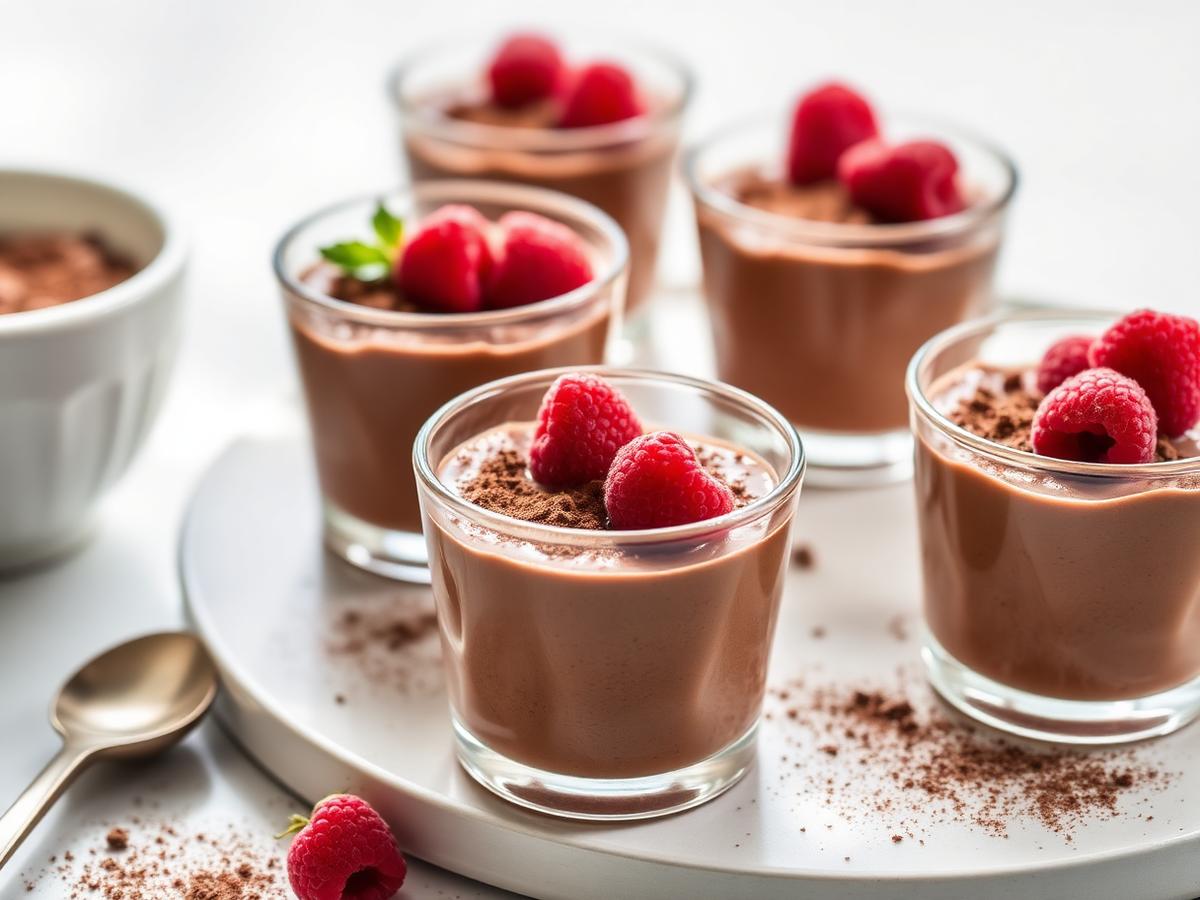
Cottage cheese is the workhorse. Blended at high speed with cocoa and a sweetener it becomes a mousse indistinguishable from one made with cream. Greek yogurt frozen with fruit becomes a legitimate frozen yogurt. Casein whisked with milk sets into pudding in ten minutes.
- Chocolate cottage cheese mousse — 24g protein per serving
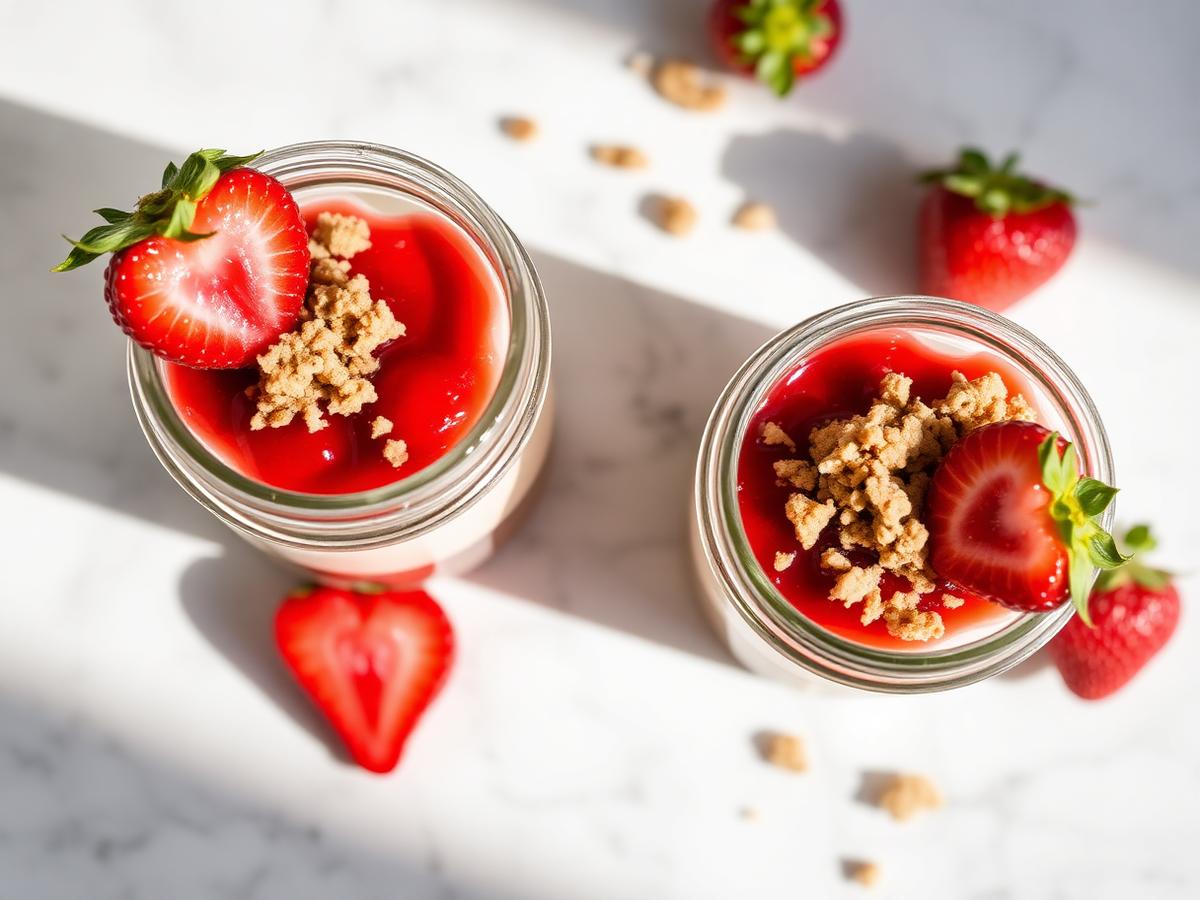
- Strawberry protein cheesecake cups — 24g
- Strawberry frozen yogurt, blended from frozen fruit and skyr — 20g
- Peanut butter protein bites, rolled and refrigerated — 8g each
- Casein pudding with banana and cinnamon — 27g
- Greek yogurt bark with dark chocolate and raspberries — 12g per piece
- Tiramisu jars with espresso-soaked ladyfingers and yogurt cream — 22g
Baked desserts that survive the oven
Baked goods work when the protein is a minority partner and something wet is doing the structural work. Banana, pumpkin, and yogurt are the three most reliable helpers.
- High protein banana bread with Greek yogurt — 14g per slice
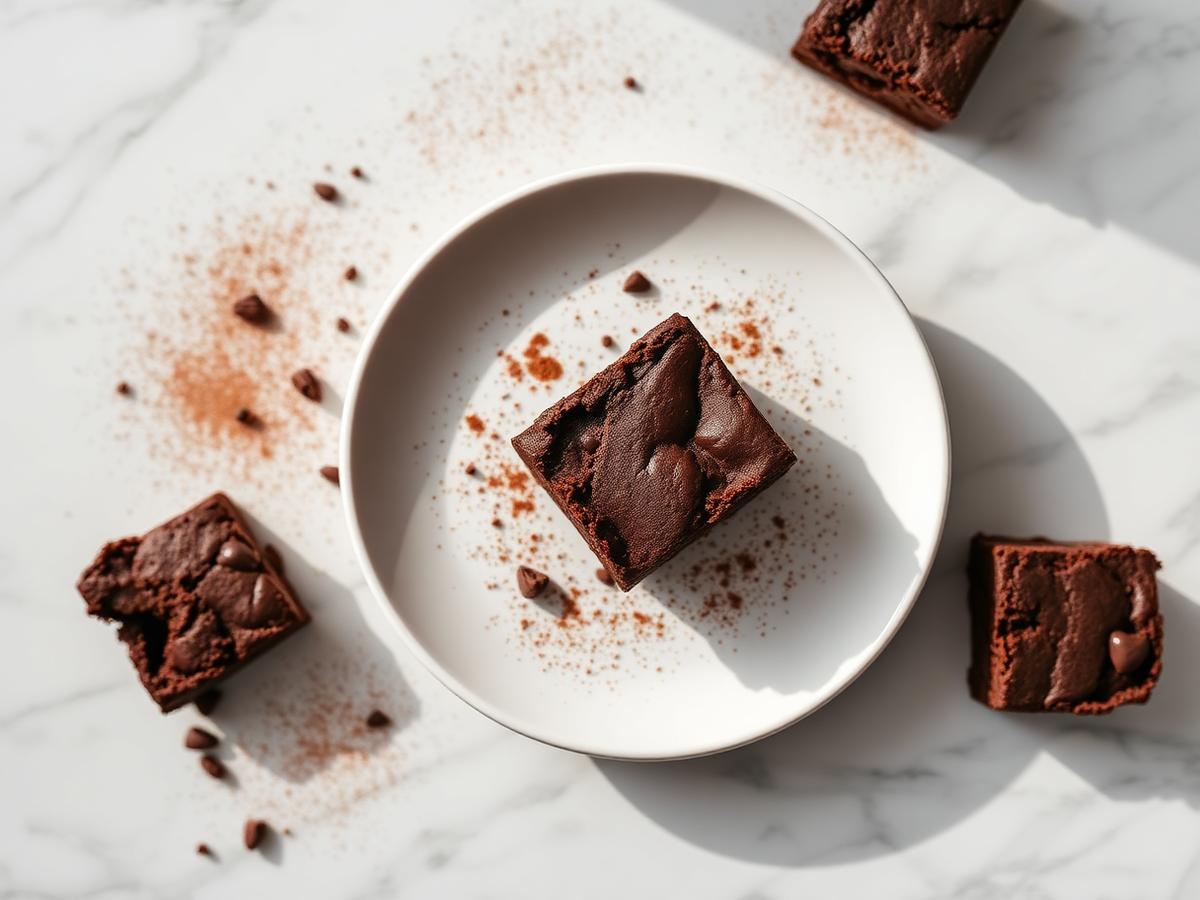
- Greek yogurt brownie bites — 11g each
- Cottage cheese protein bagels — 15g each
- Protein blondies with white beans and vanilla casein — 13g
- Baked oatmeal squares with a yogurt swirl — 12g
- Almond flour protein cookies with an extra egg white — 9g
- Ricotta lemon cake with a soft crumb — 16g per slice
- Protein carrot cake muffins with pineapple — 12g
Sweeteners, and how much they matter
Most protein powders are already sweetened, often heavily. Recipes written for unflavored powder will taste cloying if you use a flavored one, so taste the batter before adding any sugar at all.
For no-bake desserts, a small amount of real sweetener — maple syrup, honey, a chopped date — gives a rounder flavor than an equivalent amount of a non-nutritive sweetener, at a cost of maybe 40 calories per serving. That is usually a trade worth making for something you eat a few times a week.
In baked goods, sugar is doing structural work as well as flavor work: it holds moisture and helps browning. Removing all of it from a protein bake compounds the dryness problem. Keeping a tablespoon or two of brown sugar in a whole batch is worth far more than its calorie cost.
A dessert habit that fits a real diet
The reason to make dessert high in protein is not that dessert is dangerous. It is that a 250 calorie dessert with 20 grams of protein counts toward your daily target while a 250 calorie dessert with 2 grams does not, and most people find restriction unsustainable in a way that substitution is not.
Practically, this means keeping one no-bake dessert in the fridge at all times. A batch of mousse cups on Sunday, or a tray of frozen yogurt bark, means the evening craving has an answer that costs nothing in willpower.
None of this makes traditional dessert wrong. Eat the real cake at the birthday party. The point of a protein dessert is to cover the other twenty-nine days of the month with something you actually look forward to.
Frequently asked questions
Sources & further reading
About the author
Jenna Ruiz, RDN — Jenna is a California-based registered dietitian nutritionist and recipe developer. She spent eight years in clinical nutrition before founding Protein Plate Co. to make high protein cooking practical for people with real schedules.